
Understanding the Role of Sealing Techniques in Reducing Sound
Noise pollution is a growing concern, especially for those living in urban areas. The constant hum of traffic, construction, and city life can become overwhelming. While many look for ways to reduce this auditory clutter, window sealing offers an effective solution. By blocking gaps where sound enters, these techniques help create a quieter indoor environment. This article explores the benefits and practicalities of using specific methods to reduce noise pollution.
The Functionality of Proper Sealing Techniques
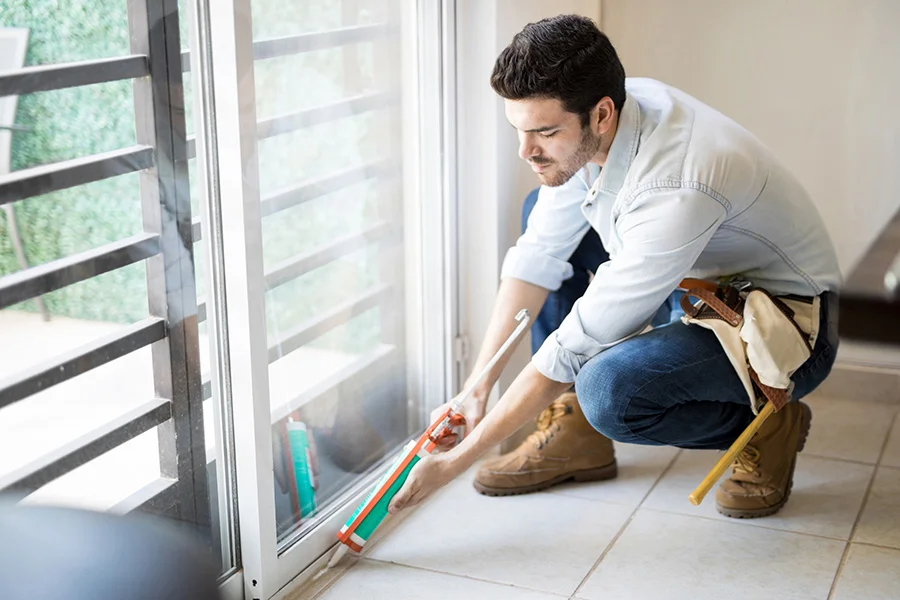
The role of proper sealing cannot be overstated when it comes to noise reduction. Implementing these techniques ensures that windows are tightly sealed, reducing the pathways through which sound travels. A well-sealed window acts as a barrier, preventing unwanted outdoor noises from infiltrating your home. The effectiveness of this method depends largely on the quality and application of the sealant used.
How Window Caulking Contributes to Quieter Spaces
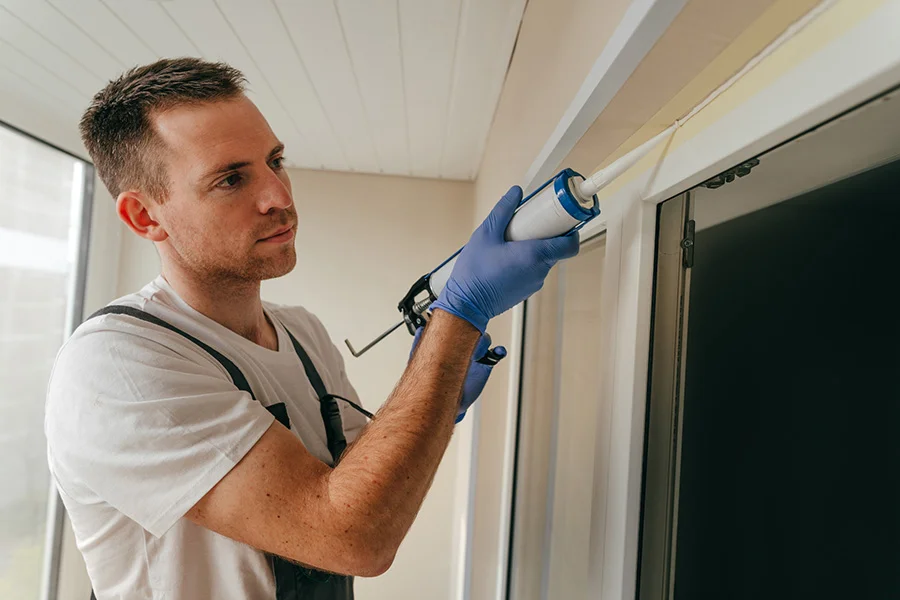
window caulking serves as a critical component in minimizing noise pollution. It fills gaps and cracks around windows, enhancing their ability to block sound. When applied correctly, window caulking creates an airtight seal that significantly reduces outside noise levels. This simple yet effective technique is essential for anyone looking to achieve a more peaceful indoor setting.
Benefits of Using Specialized Sealants
There are various advantages to choosing specialized sealants for noise reduction purposes:
- Improved sound insulation due to better sealing capabilities
- Increased energy efficiency by maintaining indoor temperature
- Extended lifespan of windows through enhanced protection
These benefits make specialized sealants a valuable investment for noise control efforts.
Tackling Common Noise Reduction Challenges
While sealing can effectively reduce noise, several challenges must be considered. One primary issue is ensuring that all potential entry points for sound are addressed. Overlooking even small gaps can lead to reduced effectiveness. Additionally, selecting the right type of sealant is crucial; not all products offer equal soundproofing qualities.
Practical Steps for Effective Noise Reduction
- Inspect windows for any visible gaps or cracks.
- Select a high-quality sealant specifically designed for noise reduction.
- Apply the sealant evenly along all edges and joints.
- Check for any missed spots and reapply as necessary.
- Regularly maintain seals to ensure continued performance over time.
These steps, when followed diligently, contribute significantly to reducing indoor noise levels.
Expert Tips for Maximizing Noise Control
To further enhance noise control measures, consider these expert tips:
- Combine sealing with double-glazed windows for optimal results
- Ensure regular maintenance checks to keep seals intact
- Seek professional installation if unsure about DIY applications
Implementing these suggestions can lead to a much quieter living space.
Caring for Your Noise Reduction Investment
The longevity and effectiveness of your noise reduction efforts depend on proper care. Regular inspections will identify any wear or damage to the seals. Address issues promptly to maintain the integrity of your soundproofing measures. Investing time in upkeep will ensure lasting peace and quiet in your home.
Your Partner in Achieving Quiet Spaces
If you’re seeking reliable solutions for noise reduction, I am here to assist you. Based in Brampton, ON, I offer tailored services to meet your specific needs. Reach out at (647) 961-8637 to learn more about how Glass & Hardware Window Repair Service can help create a quieter environment for you.